
A 0 to 1 product build, from blank page to live product.
Ship the first version. Learn from real users.
A 0 to 1 product build takes a product from an idea to live software that real people use. It covers the strategy, the brand, the design, and the build of a first version, often called an MVP.
For teams with a product to launch and nobody free to build it.
The hard part of a first version isn't building everything. It's deciding what to leave out, and then shipping. This is a good fit if any of these sound familiar:
An idea, no team
You have a product idea inside an existing company, and no team free to build it.
A milestone coming
You're a funded founder who needs to be in market before the next milestone.
A deck, not a product
You have a prototype or a deck, and now you need the real thing.
Engineers at capacity
Your engineers are busy keeping the current product running.
Testing demand
You want to test demand with real software before you hire a team.
If you're a founder without a team or funding yet, look at Start a business. It's the same work under a different deal.
Four decisions that shape a first version.
- I.
The core loop
The one thing the product has to do well. We cut the first version down to that and hold the line, even when there's pressure to add more.
- II.
The first audience
Who it's for on day one. Not everyone it could serve eventually, just the people who need it most.
- III.
The platforms
Web, iOS, Android, or all three. We can run them on one backend, so launching on more than one doesn't mean building it twice.
- IV.
The first number
What you'll measure to know it worked: sign-ups, paying users, repeat use. We build the tracking in from the start.
Everything else waits for version two, when you'll know more than you do now.
Five things, and they're all yours.
A first version, and everything you need to keep going.
01Product narrative
One page that says who it's for, what it does, and what the first version leaves out. Everyone works from it.
04Launch kit
The launch site, onboarding, analytics, and store listings, so launch day is a date and not a project.
02Brand and design system
A name, an identity, and the components the product is built from, shipped piece by piece into the live codebase.
03Live product
Working software in front of real users, on the web and in the app stores if that's where your audience is. Not a prototype.
05The repository
The code, the pipeline that tests and deploys it, and the written record of how it was built. Yours outright.
01Product narrative
One page that says who it's for, what it does, and what the first version leaves out. Everyone works from it.
02Brand and design system
A name, an identity, and the components the product is built from, shipped piece by piece into the live codebase.
03Live product
Working software in front of real users, on the web and in the app stores if that's where your audience is. Not a prototype.
04Launch kit
The launch site, onboarding, analytics, and store listings, so launch day is a date and not a project.
05The repository
The code, the pipeline that tests and deploys it, and the written record of how it was built. Yours outright.
Take it in-house when you're ready, or keep us on for the next version.
Start a conversationThree stages: frame, build, launch.
- 1Stage 1
Frame
Audience research, positioning, and the one-page product narrative. Usually a week or two, and it ends with an agreed scope for the first version.
- 2Stage 2
Build
Design and build happen together. You get working software to look at every week, and we put it in front of target users as we go.
- 3Stage 3
Launch
Polish, store submissions, the launch site, and onboarding your first users. Then we watch the first number with you.
What we need from you
One person who can make product decisions quickly, access to a few people in your target audience, and any brand or technical constraints we should know about before we start.
We've shipped first versions for clients and for ourselves.
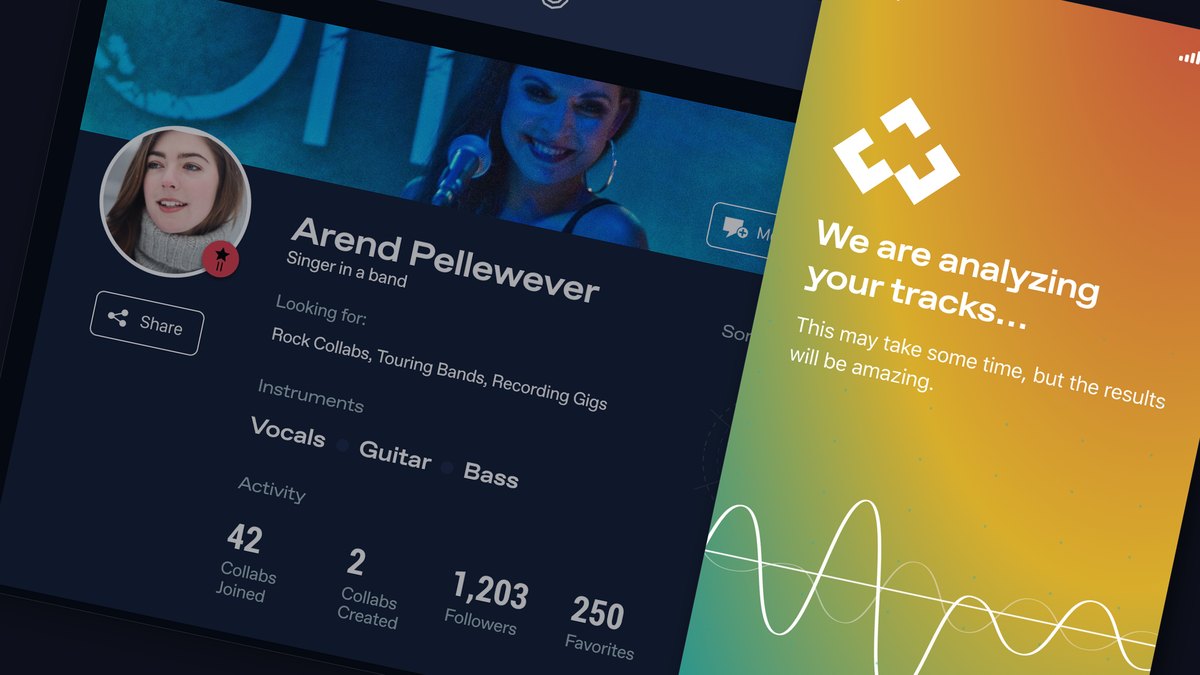
Andrsn needed a new music-tech product in market, with paying users, before its next funding milestone. It launched on schedule, 14 weeks from kickoff, and had more than a thousand paying customers in its first 30 days.
What is a 0 to 1 product build?
It's taking a product from nothing to a live first version: the strategy, the brand, the design, and the software, built and launched by one team.
Is this the same as building an MVP?
Yes, if by MVP you mean the smallest version real people will use and pay for. We build it as production software, so you grow it from there and don't have to throw it away.
How long does it take?
Most first versions ship in four to eight weeks. It depends on the product, and bigger ones take longer: Andrsn's launch, with paid acquisition and paying users, took 14 weeks.
What does it cost?
The work is split into three stages, and each one is scoped and priced before it starts. Tell us about the product and we'll send you numbers for the first stage.
Who owns the code and the design?
You do. The repository, the design files, and everything in them are yours outright.
Who writes the code?
AI drafts most of it, and a person reviews every change before it ships, after automated checks have run. For complex systems we bring in engineering partners we've shipped with before.
What do you build with?
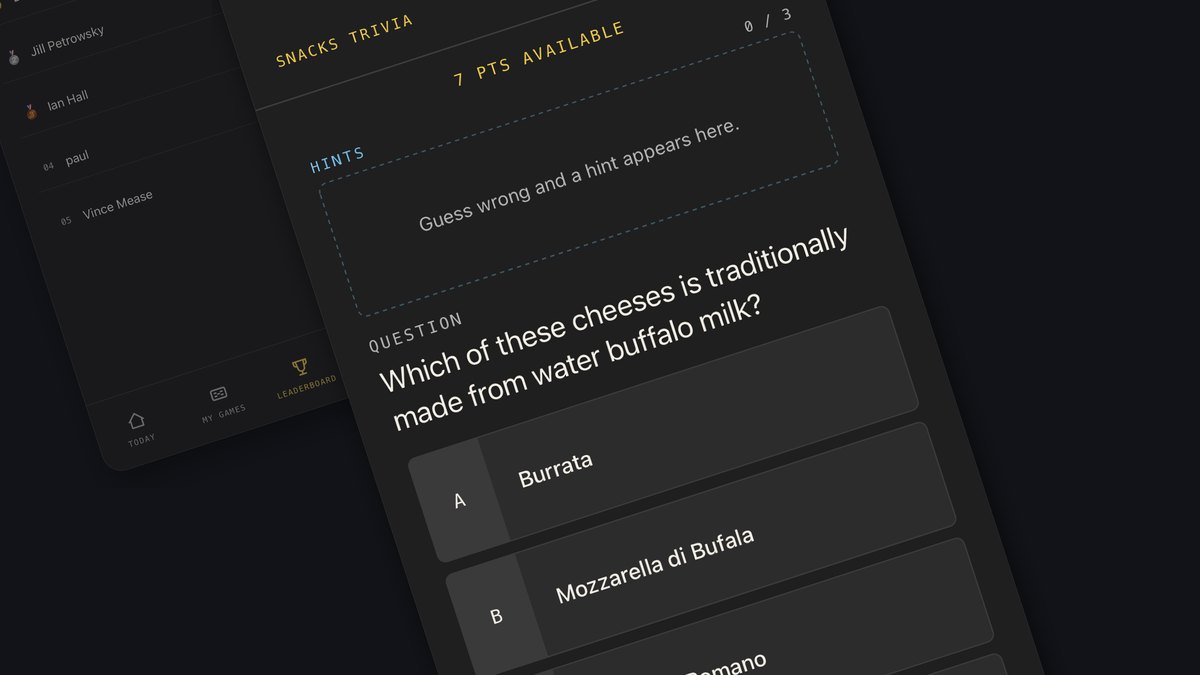
For Snacks Trivia we used Next.js and React on the web, React Native for iOS and Android, and Supabase behind them. The stack is deliberately boring so the product can be interesting.
What happens after launch?
That's up to you. Take the product in-house, or keep us on for the next version and day-to-day operations.
How is this different from Start a business?
The work is the same. Here you pay a fee and own everything. In Start a business we work for a mix of fee and equity and stay on as a partner after launch.